
Blog
How to Use a Drum Carder in a Shared Craft Room
Jul
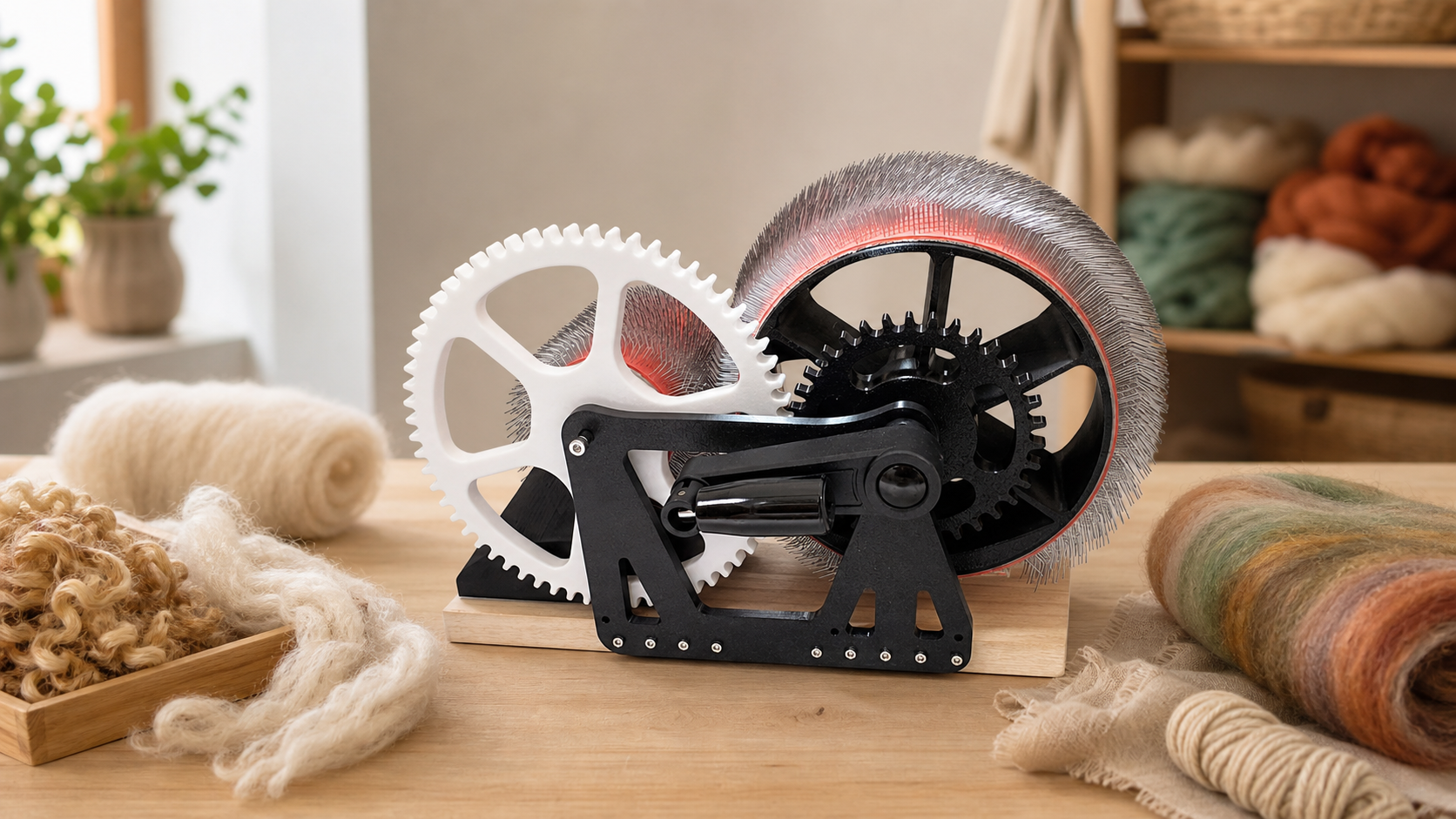
Quick answer: use a drum carder in a shared craft room by giving it a fixed station, setting clear booking and cleanup rules, requiring clean prepared fiber, containing personal materials, and posting a short reference near the tool. Shared tools work when the room has habits, not just goodwill.
A shared drum carder can serve spinners, felters, dye students, guild members, and small-batch makers without every person buying separate equipment. It can also become the most irritating object in the room if fiber spreads across the table and nobody knows who cleans the station. Process makes the difference.
Create A Dedicated Carding Zone
Do not let the carder drift around the room. Choose a stable surface with room to feed fiber, remove batts, set down labels, and keep cleanup supplies close. Avoid walkways, wet work areas, food tables, and places where other projects crowd the tool.
A fixed station tells users how the tool should be treated. It also makes it easier to notice when something is missing, messy, or out of place.
Require Prepared Fiber
The shared-room rule should be simple: clean, dry, opened fiber only. Matted, damp, dirty, or debris-heavy fiber should be handled elsewhere before it reaches the carder. This protects the tool and saves the next user from someone else’s prep problem.
Post the rule kindly. New users may not know that light open fiber feeds better. Point them to the guide on carding wool into smoother batts if they need more context.
Use A Booking System That Includes Cleanup
A popular shared tool needs scheduling. Use a whiteboard, paper sheet, or shared calendar. Keep time blocks realistic. Someone making one sample batt does not need the same time as a teacher preparing class packets.
Booking time should include setup, carding, batt removal, loose-fiber cleanup, and station reset. If cleanup is outside the booking, every user borrows time from the next person.
Contain Personal Fiber And Add-Ins
Ask each user to bring a tray, basket, or labeled bag. Loose fiber spreads fast, especially when several people are working nearby. Containment prevents accidental blending and protects people who may be sensitive to certain animal fibers or add-ins.
Keep sparkle, locks, dyed fiber, and customer-owned fiber especially contained. Shared rooms depend on respect for other people’s materials.
Teach Batt Removal And Reset
Many beginners focus on feeding and forget removal. Show where to begin lifting, how to support the batt, and how to avoid dragging fiber through the cloth. A torn batt is not a disaster, but it is a useful teaching moment.
After removal, reset the station. Clear loose fiber, check the feed area, return tools, and write down any issue. If product-specific care questions come up, use the contact page rather than room rumor.
Post A Short Reference
A shared-room sign should be short enough to read during a busy session: prepare fiber first, feed lightly, do not force the tool, label your batt, clean before leaving. Put deeper learning links nearby for people who want more detail.
Use the DrumCarder homepage and product page as current product references. If the room is considering purchase timing, also check the shipping policy and refund and returns policy.
Assign Oversight Without Making It Heavy
Every shared tool needs a person or rotating role responsible for checking supplies, answering beginner questions, and pausing use if something seems wrong. This is not about controlling the room. It keeps the tool available and pleasant.
A small log can help. Users can note date, fiber type, project, and any issue. Over time, the room will see whether it needs more beginner demos, longer booking blocks, or clearer cleanup supplies.
Plan For Classes And Open Studio Days
A shared room often has two different rhythms: quiet individual use and busy group events. For classes, set out prepared fiber packets, spare labels, and a clear demonstration area before students arrive. For open studio days, keep the station simpler, with one sign-up sheet and one cleanup checklist. The same carder can support both uses, but the room should not expect a casual open-table setup to handle a full teaching day without extra preparation.
If the tool becomes popular, review the log after a month. Frequent beginner questions may mean the room needs a short orientation. Repeated cleanup problems may mean supplies are in the wrong place. Process should respond to actual use.
Make supply restocking visible. A small card for labels, bags, cleaning tools, and scrap containers prevents the quiet failure where everyone assumes someone else will replace what is missing. Shared rooms run better when maintenance is ordinary and easy to notice.
Set Up A Shared Fiber Prep Station
Use DrumCarder as a focused carding setup for guild rooms, classrooms, shared studios, and small group fiber prep.
FAQ
Can beginners use a drum carder in a shared craft room?
Yes, if they get a short orientation on light feeding, batt removal, labeling, and cleanup before using the tool alone.
What rules should be posted near the carder?
Post rules for clean dry fiber, light feeding, booking time, batt labeling, and cleanup. Keep the sign brief and visible.
How do shared rooms prevent fiber mix-ups?
Use trays, labeled bags, and separate workspace boundaries. Ask users to label finished batts immediately.
Who should clean the carder after use?
The person using it should reset the station before leaving. A room lead can do deeper checks, but normal cleanup belongs to each user.
Should a shared room keep a carding log?
Yes. A brief log helps track common fiber types, repeated questions, missing supplies, and any station issues that need attention.