
Blog
How to Batch Prep Fiber for Weekend Making Sessions
Jul
Quick answer: batch prep fiber for weekend making sessions by choosing one project outcome, sorting and opening fiber before carding, planning the order of batts, labeling each batt immediately, and leaving time for cleanup. The goal is not to rush. The goal is to reach your best making hours with fiber ready to spin, felt, sample, or pack.
Weekend studio time can vanish into setup. You clear the table, discover the wool still needs opening, find the dyed locks tangled, and realize the blend plan lives only in your head. A drum carder can make prep more efficient, but only when the session has a clear path.
Pick One Weekend Outcome
Start with the result, not the stash. Maybe you want six spinning batts, three felting color layers, a few breed samples, or enough fiber for a workshop demo. The outcome tells you how much to prep and how detailed the labels need to be.
A clear outcome also lets you say no. If the plan is wheel practice, you do not need every sparkle packet on the bench. If the plan is wet felting, you do not need complicated spinning texture. Focus protects the weekend.
Sort Fiber Before The Carder Comes Out
Separate base fiber, color accents, texture, scraps, and questionable fiber. Set aside anything damp, dirty, matted, or full of debris for another process. A carder can organize prepared fiber; it should not be asked to solve every fleece problem in one heavy pass.
Open compacted wool, check alpaca for dense spots, and decide whether locks should be blended in or left visible. These decisions are easier before the drum begins to fill.
Make A Batch Map
A batch map is a simple order of work. Put light or neutral batts before dark batts if color transfer matters. Card similar bases together. Put experimental blends later, after the necessary prep is finished and your hands have warmed up.
If several batts use the same base fiber, prepare them as a group. This saves cleanup time and keeps handling consistent. For smoother base work, revisit how to card wool into smoother batts before a long session.
Feed Lightly And Watch The Surface
Batching tempts people to hurry. Thin feeding gives better results than forcing a large amount through quickly. Work across the width, watch for ridges, and adjust before the batt becomes full. Predictable batts are more useful than fast batts.
If a texture is meant to stay visible, place it intentionally and use fewer passes. If color should be soft, use controlled additional passes. Let the weekend goal decide the carding style.
Label Every Batt As It Comes Off
The moment a batt leaves the carder, label it. Write project name, fiber content, pass count, intended use, and order in the batch. Do not rely on memory after five similar grey batts. Memory gets charmingly useless when the table fills.
Keep labels, pen, bags, and a finished-batt tray close to the carder. If labeling requires crossing the room, it will be skipped right when you need it most.
Plan Breaks And Cleanup
Fiber prep uses hands, shoulders, and attention. Plan short pauses to review notes, clear loose fiber, and decide whether the next blend still makes sense. Tired carding creates the uneven batts you meant to avoid.
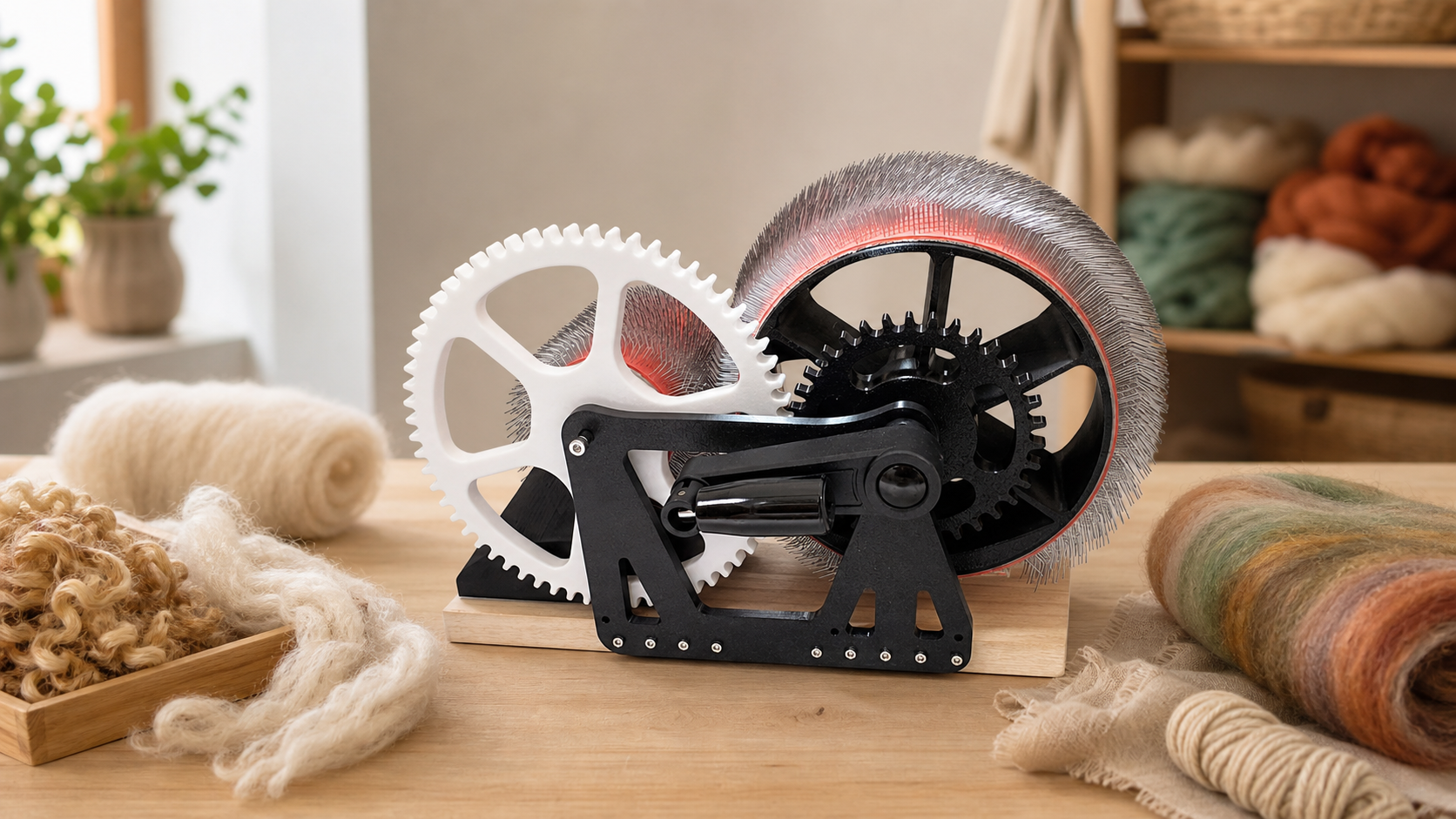
Cleanup belongs in the schedule. Clear stray fiber, protect the carding cloth, close unused fiber, and leave the bench ready. Review the DrumCarder Studio Fiber Carder and use the contact page for current care or setup questions.
Keep A Sunday Review Note
After the weekend batch is finished, write one short review before putting the notebook away. Note what slowed you down, which fiber should have been opened earlier, which batt was easiest to use, and what you would change next time. This turns each weekend into a better plan for the next one instead of another pile of good intentions.
If a batch was meant for spinning or felting later, store the review with the finished batts. A note like “best for wheel practice, not for fine felt” saves time when the next free afternoon finally arrives.
Also record how long the prep actually took. Weekend makers often underestimate sorting, labeling, and cleanup. Real timing helps you choose a smaller, better batch next time instead of planning a heroic session that leaves the room half-finished.
Check Timing Before You Order Supplies
If a weekend project depends on a new tool or material, plan around delivery and policies. Start at the DrumCarder homepage, then check the shipping policy and refund and returns policy before building a tight schedule around arrival.
Prep Weekend Fiber With Less Friction
Use DrumCarder for planned small-batch prep that turns loose wool, alpaca, color, and texture into labeled project-ready batts.
FAQ
How much fiber should I batch prep for a weekend?
Prep only what you can label, store, and use soon. A smaller finished batch is better than a large pile of mystery fiber.
Should every batt get the same number of passes?
Only if you want the same level of blending. Use fewer passes for bold texture and more passes for smoother color, then record the choice.
What should be ready before carding starts?
Have sorted fiber, labels, a pen, containers, scrap bowl, waste bin, and a simple order of batts ready before the first pass.
Can weekend batch prep work for both spinning and felting?
Yes, but label the intended use. Spinning batts and felting batts often need different texture, blending, and color distribution.
How do I avoid ending with too many scraps?
Keep one useful-scrap container and one waste container. Empty both at the end so leftovers become a decision, not clutter.