
Blog
How to Split Batts for Easier Drafting
Jul
Quick answer: split batts for easier drafting by rolling or folding the batt gently, dividing it into even strips, and testing how each strip pulls before spinning or felting. The goal is not to tear the batt randomly. It is to create manageable sections that preserve fiber direction, color placement, and texture while reducing the amount you hold at one time.
A batt fresh from the drum carder can feel generous and beautiful, but that does not mean it is easiest to use whole. Large batts can draft unevenly, hide dense areas, or make color control harder. Splitting gives you smaller pieces that match your hands, spindle, wheel, felting layout, or storage plan.
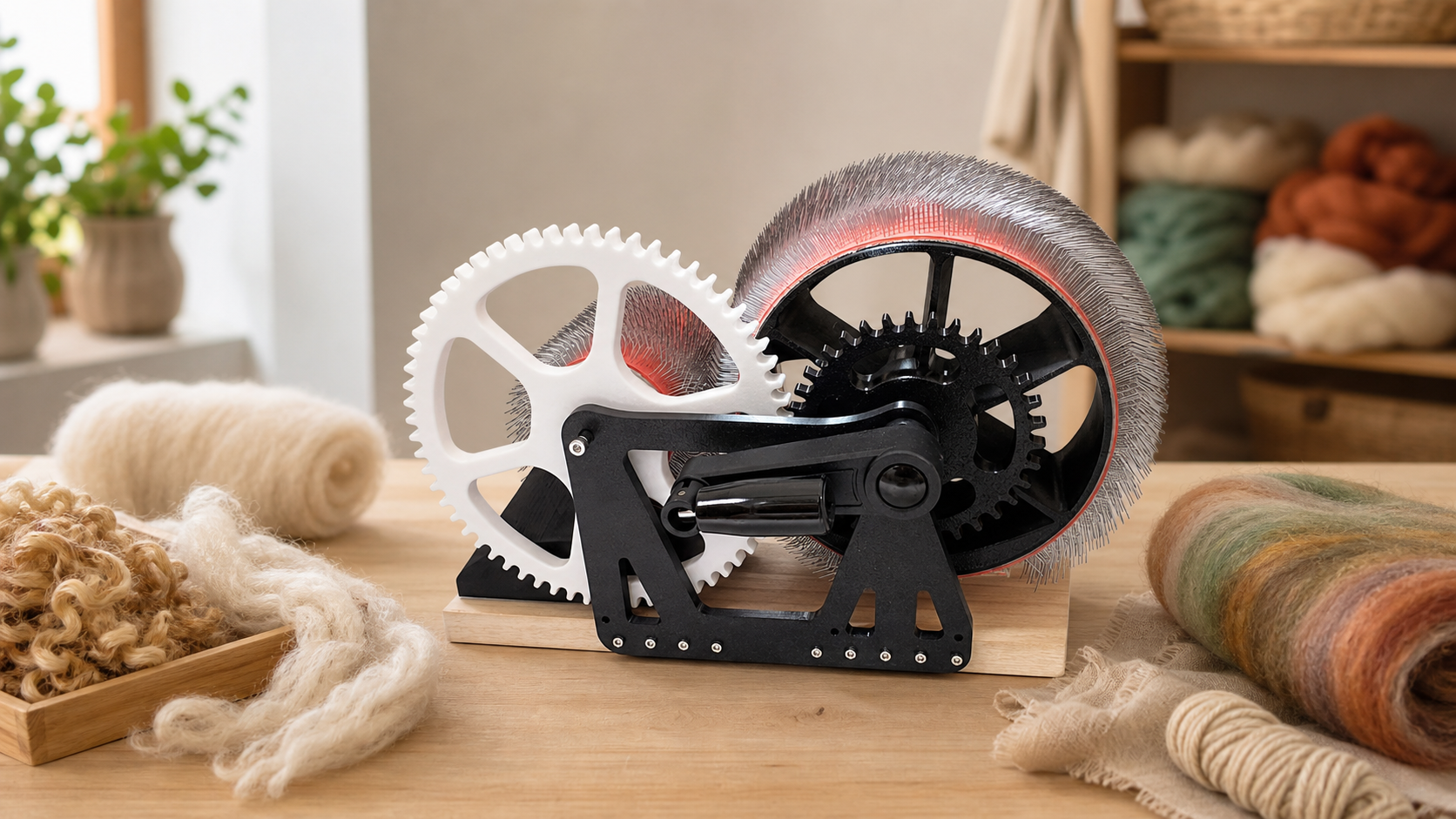
For a focused carding setup, review the Studio Drum Carder. You can also start from DrumCarder if you are comparing product, support, and policy pages before making a decision.
Let The Batt Rest Before Splitting
Right after removal, a batt can be lofty and slightly unsettled. Lay it down gently and let it relax for a short moment before you divide it. This gives you a better view of thick edges, thin centers, and color placement. It also helps you avoid stretching the center while the edges stay dense.
If the batt looks very uneven, solve that first. The guide on thick edges and thin centers explains why splitting is not a full fix for poor loading. A badly shaped batt can be divided, but the strips may still draft unevenly.
Choose The Direction Of The Split
Most batts can be split lengthwise, crosswise, or into pulled strips depending on how the fiber was carded and how you plan to use it. Lengthwise strips often preserve color movement across the batt. Crosswise pieces may be useful for sampling or felting. For spinning, test a small strip before committing the whole batt to one method.
Watch how the colors are arranged. If the batt has accent colors on one side, lengthwise strips may distribute those accents more evenly. If the batt has horizontal layers, crosswise sections may preserve the sequence better.
Use Gentle Hands, Not Sharp Pulls
Splitting should feel like opening, not ripping. Hold the batt lightly and separate fibers along a natural path. If a section resists, move your hands apart gradually. A sudden pull can make thin spots, compress the strip, or disturb decorative fibers.
If the batt is too dense to split easily, it may have been overcarded, overfed, or stored under pressure. You can still use it, but you may need narrower strips and more patient drafting. For future batts, feed lighter layers and stop before the fiber becomes compact.
Make Strips That Match Your Drafting Style
Easy drafting depends on hand comfort. Some spinners like narrow strips that behave almost like roving. Others prefer wider pieces that preserve the batt feel. Felters may want sheets rather than strips. There is no single correct width.
Make three test strips from one batt: narrow, medium, and wide. Draft each one gently. The best size is the one that lets you control thickness without fighting the fiber. Record that size for similar future batts.
Also pay attention to how much strip you hold at one time. A strip can be the right width but still too long for comfortable control. Shorter lengths may help beginners keep twist, pull, and color order under control. Longer strips may suit experienced hands or a wheel setup where you want fewer joins. Use the first batt as information for the next one.
Protect Accent Fibers
Art batts need extra care. Locks, silk, sparkle, nepps, and color streaks can shift when the batt is split. If accents are meant to show, divide the batt so each strip receives a reasonable share. If one strip gets all the sparkle and another gets none, the finished yarn or layout may not match your plan.
When accents are fragile, split fewer times. Keep strips wider, then draft carefully from the edge. Too much handling can bury the exact texture you added for interest.
If an accent area is important, mark that side before rolling or storing the batt. A small tag, a note in the storage tray, or a photo of the batt before splitting can help you remember the intended direction. This is useful when you make several related batts and want the finished yarns to feel like they belong together.
Roll Or Store Sections Without Compression
After splitting, store sections loosely. Tight balls can compress fiber and make drafting harder later. Roll strips with enough space that they hold together without becoming dense. Label them if color order matters.
For storage details, use how to roll and store batts after carding. If you plan to buy a carder for batch work, review shipping, returns, and contact before ordering.
Card Batts That Are Easier To Divide And Use
A manageable carder helps you build batts that split cleanly, draft comfortably, and store without fuss.
FAQ
Should I split every batt before spinning?
No. Split a batt when it makes drafting easier, improves color control, or suits your spinning style. Some batts are comfortable to spin from whole.
Why does my batt tear unevenly?
It may be dense, unevenly carded, or pulled too sharply. Use gentler hands and narrower sections, and adjust feeding on the next batt.
Can I split batts for felting?
Yes, but felting often needs sheets or sections rather than narrow spinning strips. Divide according to the layout you want.
How do I keep colors even when splitting?
Study the batt before dividing. Choose the split direction that shares accent colors across the sections you plan to use.
Should split strips be stored tightly?
No. Store strips loosely so they keep loft and remain easy to draft. Tight storage can compact the fiber.