
Blog
How to Price Handmade Art Batts for Sale
Jul
Quick answer: price handmade art batts sale by adding fiber cost, prep time, design time, equipment wear, packaging, selling fees, and the level of uniqueness in the batt. Do not price only by weight. A textured batt with hand-dyed wool, locks, sparkle, and careful color work can carry more value than a plain batt of the same ounces.
Pricing art batts can feel awkward because they sit between supply, craft, and original design. Buyers see fiber weight, but they also see color choices, texture placement, repeatability, and how ready the batt is for spinning, felting, or display. A good price respects the material and the maker’s time without making the listing confusing.
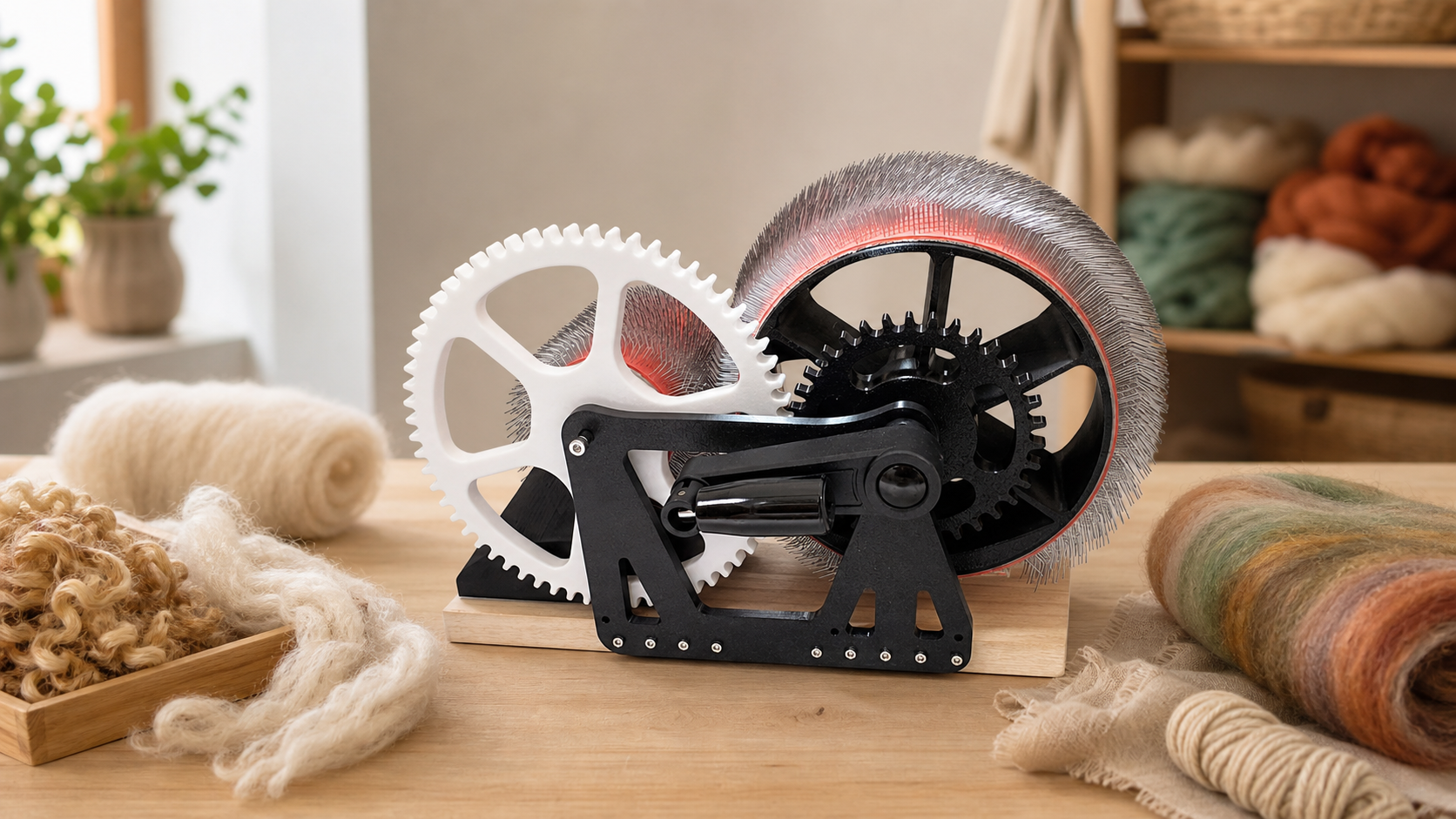
If you are preparing batts in a small studio, the DrumCarder Studio Fiber Carder is the product referenced here. You can also use the DrumCarder home page for broader site navigation.
Start With Material Cost
List every fiber in the batt: wool, alpaca, silk, locks, sparkle, nepps, naturally dyed fiber, or hand-dyed accents. Estimate the actual amount used and include waste from sampling, trimming, or cleanup. If you use premium fibers, the price should reflect that.
Weight matters, but it is not the whole story. Two batts may weigh the same while one uses plain commercial wool and the other uses hand-dyed locks plus carefully placed accents. Material quality and sourcing effort should be visible in the price.
Add Time Without Apologizing
Time includes more than carding. It includes choosing colors, opening fiber, making samples, cleaning between batches, photographing the batt, writing the listing, packaging, and answering buyer questions. If you ignore time, you may sell batts quickly while slowly teaching yourself that your work has no margin.
Track a few sessions honestly. How long does one batt take from fiber pile to ready-to-ship product? If you make several batts in one session, divide shared setup and cleanup time fairly. Good pricing starts with real numbers.
Price Design And Repeatability
Some art batts are simple color blends. Others are small compositions with locks, texture, gradients, and carefully placed accents. The more design judgment a batt requires, the less sense it makes to price by weight alone.
Repeatability also matters. If you can remake a batt from notes, it may become a stable product style. If the batt uses limited dyed fiber or one-of-a-kind locks, scarcity can support a higher price. Be clear in the listing so buyers understand what they are buying.
Include Selling Costs And Packaging
Online selling brings fees, payment costs, packing materials, labels, and time. Art batts also need packaging that protects loft and texture. A price that ignores packaging may look fine until the first order ships.
Before planning customer terms, review examples of practical policy information such as the shipping policy and refund and returns policy. If buyers have product questions, a clear contact page also matters.
Consider creating price tiers. A simple practice batt can have a straightforward price based on fiber and time. A textured art batt with locks, sparkle, and hand-dyed color can sit in a higher tier. A limited one-of-a-kind batt can be priced for rarity and design effort. Tiers help buyers understand differences without requiring a long explanation every time.
Photographs and labels should support the price. If a batt costs more because it includes premium locks or careful color placement, show those details clearly. The listing should make the value visible before the buyer reads every word.
Keep a record of what actually sells. If simple batts move quickly but textured batts sit, test whether the issue is price, photography, description, or audience fit. Pricing improves when you treat each batch as information for the next one, not as a personal verdict on your work.
Do not ignore wholesale or bundle pricing. A single batt, a coordinated pair, and a larger collection may each need a different margin.
Review prices after shipping a few real orders. The packing time, buyer questions, photo edits, and listing upkeep can be more visible after fulfillment than during the first pricing session.
FAQ
Should art batts be priced by ounce?
Weight is useful, but it should not be the only factor. Add fiber quality, design time, texture work, dye work, packaging, and selling costs.
How do I avoid underpricing handmade batts?
Track material cost and time honestly. Then add selling fees and packaging before setting the final price. If the number feels surprisingly high, check whether your process is too labor-heavy for the price you want.
Can simple batts and luxury batts use different pricing?
Yes. A plain practice batt and a carefully designed art batt should not use the same pricing logic. Create tiers if your product range needs them.
Should I charge more for hand-dyed fiber?
Usually yes. Hand-dyed fiber carries material cost, dye time, variation, and design value. Make the color work visible in photos and listing copy.
How much should packaging affect the price?
Enough to protect margin. Include tissue, labels, boxes or mailers, shipping prep time, and any extra materials needed to preserve texture.
A Simple Pricing Formula
Use this working formula: materials plus labor plus packaging plus fees plus profit. Then compare the result to your market and adjust only with intention. If the price is too high for your buyers, simplify the batt, reduce labor, or create a smaller product. Do not quietly remove your own time from the equation.
A compact drum carder can help by making repeatable batts easier to prepare and document. Repeatability does not remove artistry. It gives your pricing a stronger foundation because you understand the process behind each batt.
Prepare Batts Worth Pricing Clearly
Use the DrumCarder Studio Fiber Carder to create repeatable art batts with cleaner workflow, better notes, and more confident pricing.