
Blog
How to Photograph Art Batts for an Online Shop
Jul
Quick answer: photograph art batts an online shop with soft natural light, accurate color, a simple background, scale cues, texture close-ups, and consistent angles. Buyers need to understand fiber color, loft, sparkle, locks, weight, and intended use. Beautiful photos help, but accurate photos sell with fewer surprises.
Art batts are difficult to photograph because they are soft, dimensional, and full of small details. A camera can flatten texture, exaggerate bright colors, or hide subtle heathers. The goal is not to make the batt look like something else. The goal is to show the fiber clearly enough that a buyer can imagine spinning, felting, or gifting it.
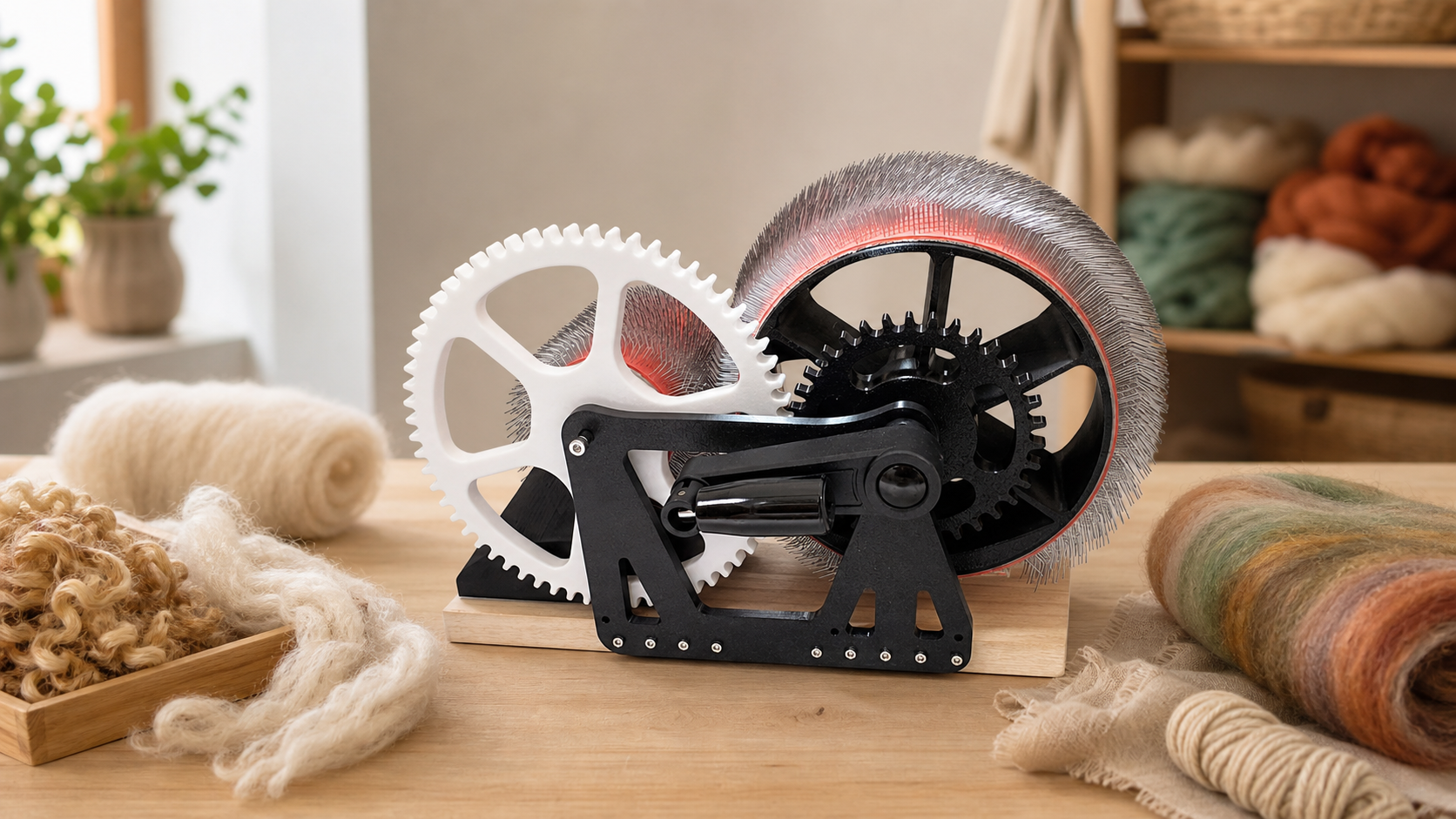
If you are preparing batts with a compact carding setup, review the DrumCarder Studio Fiber Carder. The DrumCarder home page also gives you a simple route to product and support information.
Use Light That Keeps Color Honest
Soft window light is usually enough. Avoid harsh direct sun, deep shadows, and colored room lighting. Art batts often contain subtle natural shades, dyed accents, sparkle, and lock texture. Mixed lighting can make those details look inaccurate.
Take a test photo and compare it to the batt in your hand. If the photo looks too blue, too yellow, or too saturated, adjust the location before editing heavily. Buyers rely on the photo to judge color, so honesty matters more than drama.
Show The Whole Batt And The Details
Use one full photo to show shape, size, and overall color movement. Then add close-ups of locks, sparkle, nepps, silk, or special fiber. A buyer should be able to see both the design and the texture.
Do not use only close-ups. They can make a small batt feel larger or more complex than it is. Do not use only distant photos either. They can hide the details that make an art batt special. A balanced listing needs both.
Add Scale Without Distracting
Scale helps buyers understand what they will receive. Use a simple ruler, hand, spindle, bobbin, or neutral prop if it fits your brand. Keep the prop secondary. The batt should remain the focus.
Also list weight clearly in the product description. Photos and weight work together. The photo helps buyers see the fiber. The weight helps them plan whether the batt suits spinning, felting, sampling, or blending with other fiber.
Keep A Repeatable Photo Setup
Consistency builds trust in an online shop. Use the same surface, light direction, crop, and sequence when possible. A repeatable setup also saves time. When you make several batts in one carding session, you can photograph them efficiently without reinventing the whole scene.
For customer-facing terms, policy clarity matters too. Useful examples include a shipping policy, a refund and returns policy, and a clear contact page.
Prepare the batt before photographing it. Lift crushed edges, remove distracting stray fibers, and shape the batt without making it look unlike the product the buyer will receive. If a batt has locks or sparkle, turn it until the special texture is visible in at least one image.
Keep a color reference nearby when possible. A neutral gray card, white paper, or familiar natural surface can help you notice when the camera is shifting the shade too far. This is especially helpful for natural dyes, pale neutrals, deep reds, and mixed gray-brown fibers.
Photograph the batt before packing it. Once a batt has been wrapped, rolled, or stored, it may need reshaping before it looks like itself again. Taking photos soon after carding captures loft and texture while the design is fresh, and it keeps listing work connected to your studio notes.
Save one repeatable crop for the shop grid. Detail shots can vary, but the main image should help customers compare batts quickly without visual clutter online.
Retake the main image if the batt looks flatter on screen than in hand. A small angle change often restores visible loft without misleading the buyer.
FAQ
Should I edit art batt photos?
Light editing is fine for exposure and color accuracy. Avoid edits that change the real color, hide texture, or make the batt look fuller than it is.
What background works best?
A plain neutral background is usually safest. It lets color and texture stand out without fighting the batt. White, gray, natural wood, or simple fabric can work.
How many photos should one batt listing include?
Use enough to answer buyer questions: full view, close texture, scale, side or loft view, and any special fiber detail. Five clear photos are often more useful than one dramatic image.
How do I photograph sparkle?
Use soft light for the main color photo and a slight angle change for sparkle detail. Do not overexpose the batt just to show shine.
Should I include tools in the photo?
Only if they help with scale or use. A spindle, bobbin, or simple ruler can help. Too many props can make the listing confusing.
A Simple Photo Sequence
Use this sequence for each batt: full overhead view, angled loft view, texture close-up, scale view, and special detail view. Keep file order consistent so listing work becomes easier. If the batt contains unusual fiber, add a short note explaining what the buyer is seeing.
Good photography begins before the camera. Clean the work surface, shape the batt gently, remove distracting lint, and keep notes from the carding session. A well-prepared batt is easier to photograph, easier to describe, and easier for buyers to understand.
Save one photo setup that becomes your default. Same light, same background, same scale prop, and same file order make your shop look calmer and help returning buyers compare batts fairly.
Create Batts That Photograph Clearly
Use the DrumCarder Studio Fiber Carder to prepare consistent art batts that are easier to photograph, describe, and sell online.