
Blog
How to Package Art Batts Without Crushing Texture
Jul
Quick answer: package art batts crushing texture by supporting loft instead of squeezing it flat. Use gentle wrapping, enough box or mailer space, clean tissue, clear labels, and a packing method that protects locks, sparkle, and shaped batt edges. Compression may save space, but it can make a handmade batt look tired when the buyer opens it.
Art batts are not just fiber weight. They are texture, air, color placement, and presentation. A batt that looked full and lively on your table can lose charm if it is rolled too tightly, vacuumed, or pressed under heavy items. Packaging should protect both the material and the buyer’s first impression.
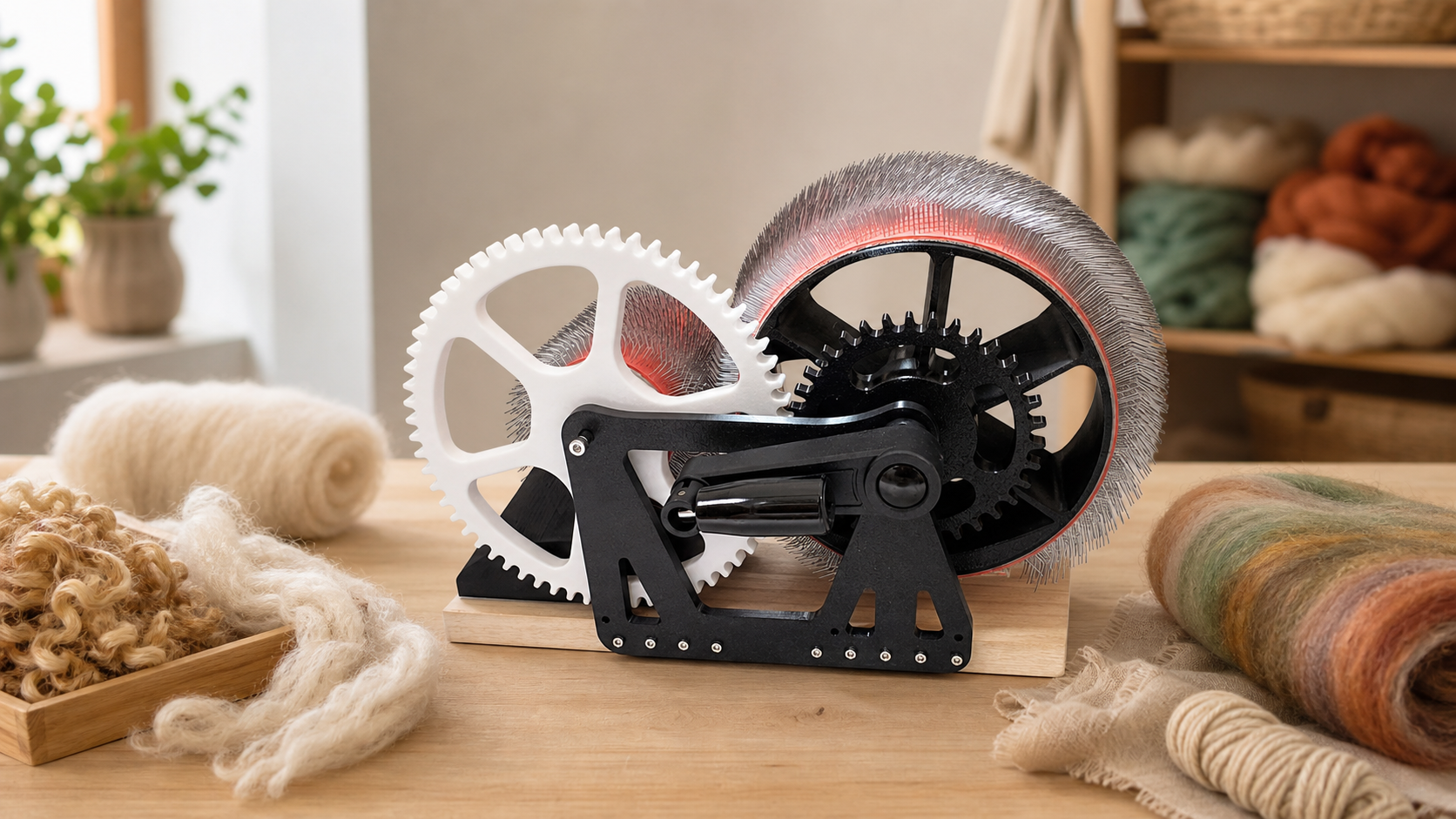
For small studio batt preparation, review the DrumCarder Studio Fiber Carder. You can also navigate from DrumCarder.com to product, support, and policy pages.
Protect Loft First
Loft is part of the product. It helps buyers see texture and makes the batt easier to pull apart later. Choose packaging that allows the batt to keep some air around it. A loose roll, soft fold, or supported stack is usually better than tight compression.
If you must reduce size slightly, test the method on a sample batt and leave it packed overnight. Open it the next day. If it springs back and still looks appealing, the method may work. If it stays flat or distorted, adjust before shipping customer orders.
Choose A Container That Matches The Batt
Small batts may ship in a roomy padded mailer if they are protected and not crushed. Highly textured batts, locks, or premium gift batts may deserve a box. The container should keep the batt from sliding around while also preventing heavy pressure.
Think about the whole trip. Packages may be stacked, turned, or exposed to weather. A batt does not need rigid luxury packaging every time, but it does need reasonable protection from moisture, dirt, and rough handling.
Use Tissue And Labels With Care
Tissue can protect the batt surface and make opening feel special. Wrap loosely and avoid tape touching fiber. Put labels, business cards, and care notes outside the direct fiber contact area when possible. A buyer should not have to peel adhesive away from locks or sparkle.
Labels should include fiber content, weight, and care notes if you sell handmade batts regularly. Clear labeling reduces questions and supports a more professional buyer experience.
Plan For Moisture And Returns
Fiber dislikes moisture. Depending on your climate and shipping path, consider an inner protective bag or wrap that keeps the batt clean and dry. Avoid sealing damp fiber or freshly steamed packaging. The batt should be fully dry before packing.
Customer terms matter too. Before selling, make policy pages easy to understand, including a shipping policy, refund and returns policy, and contact page. Clear information helps buyers know what to expect.
Think about unboxing order. The buyer should see a protected, labeled batt before loose extras or paperwork. If you include a note, place it so it supports the presentation without pressing into the fiber. A neat opening experience makes the batt feel cared for.
For multiple batts, separate colors that might shed or transfer small fibers. Dark batts, sparkle batts, and locks can leave stray bits on pale fiber. A simple tissue layer between batts can prevent the package from looking messy when opened.
Match the packing style to the price point. A simple practice batt can still be neat and protected. A premium textured batt should arrive with presentation that reflects the care in the fiber. Packaging does not need to be wasteful, but it should feel intentional.
Finally, pack at the right moment. Let labels dry, let fiber rest after shaping, and keep drinks or dye materials away from the packing table. A clean packing zone prevents last-minute lint, stains, and avoidable stress during busy order days.
FAQ
Can I vacuum seal art batts?
It is usually not ideal for textured handmade batts. Vacuum sealing can flatten loft, distort locks, and change presentation. Test carefully if you are considering it for simple fiber.
Should I roll or fold batts?
Use whichever protects the texture better. A loose roll works for many batts. A soft fold may suit wider batts. Avoid sharp creases and tight pressure.
Do art batts need a box?
Not always. Simple batts may ship safely in a roomy protected mailer. Highly textured or premium batts often look better when shipped in a box.
How do I keep locks from getting crushed?
Place locks so they are not pressed against tape, edges, or heavy cards. Use enough space around the batt and avoid packing it under other items.
Should I include care instructions?
Yes. A short note about storage, gentle handling, and keeping the batt dry can help buyers preserve the texture after delivery.
A Simple Packing Test
Before sending customer orders, pack one batt exactly as you plan to ship it. Put a book or light box on top for a short period to imitate pressure. Then open it, photograph it, and compare it with the unpacked batt. If the packed version still looks good, you have a stronger routine.
Packaging is part of the product experience. A compact drum carder can help you create consistent batts, but the final impression depends on how those batts arrive. Protect the texture you worked to build, and your buyer will see the batt closer to the way it left your studio.
Repeat the test when the batt style changes. A smooth batt, a lock-heavy batt, and a sparkle batt may need different room inside the package even when the weight is similar.
Prepare Batts Worth Protecting
Use the DrumCarder Studio Fiber Carder to create textured art batts, then package them with enough room to preserve loft and detail.