
Blog
Craft Fair Prep Checklist for Fiber Batt Sellers
Jul
Quick answer: fiber batt sellers should prepare for a craft fair by planning a realistic batt count, labeling every batt clearly, pricing before setup day, protecting texture in transport, and building a booth that helps buyers understand fiber content and use at a glance. A strong table is not the most crowded table; it is the clearest one.
A craft fair gives fiber buyers something an online listing cannot: they can see color in changing light, compare texture, ask how a batt might spin or felt, and decide quickly. That same pace can exhaust the seller. If the batts are unlabeled, prices are inconsistent, and packing is rushed, the event becomes harder than the carding itself.
Plan The Batch Around The Table
Start with booth space, not stash size. Decide how many batts can be displayed without crushing texture or confusing buyers. Group them by use: smooth spinning batts, textured art batts, felting batts, color studies, or gift-ready sets. A table with five clear groups usually sells better than a mountain of unrelated fiber.
Make a production list before the final week. Include colorway, fiber content, weight, intended use, and whether each batt is repeatable. If you use a drum carder to build related batches, keep the recipe notes beside the finished inventory so you can explain the collection without guessing.
Label Before The Final Night
Labels carry the sale when your voice is busy with another buyer. Include fiber content, weight, colorway or batch name, texture notes, suggested uses, and basic care or storage guidance. If a batt contains locks, alpaca, silk, sparkle, or other visible accents, say so plainly.
Test the label from arm’s length. Fine print may look elegant at the kitchen table and fail under a tent or hall light. Buyers should be able to pick up a batt, understand the material, and know whether it suits spinning, felting, weaving texture, or mixed media.
Set Prices Before You Pack
Price every batt before the fair. Do not calculate while a buyer waits. Consider material cost, carding time, dye work, packaging, booth fees, selling fees, and the value of your blend development. If you offer bundles, make the set price easy to read.
Keep one private price sheet as backup. If a tag slips off, you can fix the problem without inventing a new price. Consistent pricing makes the booth feel calm and professional.
Protect Loft During Transport
Transport can flatten a beautiful batt. Pack loosely, use boxes or bins that protect the surface, and avoid stacking heavy items on delicate textures. Keep labels attached or organized with the matching batt. Lock-heavy art batts deserve more space than compact practice batts.
Do a test pack a few days before the event. Carry the bin around, open it, and inspect the batts. If the display looks tired after a trip across the room, change the packing before it spends time in a car.
Prepare Short Buyer Answers
Practice simple explanations: what is in the batt, what it is best for, whether it is beginner friendly, how textured it is, and whether the colorway can be repeated. Honest answers build trust. If a batt is better for chunky texture than fine spinning, say so.
New buyers may not know what an art batt is. Add one small sign that explains possible uses: spinning, needle felting, wet felting, weaving accents, and mixed media. Keep the wording short so it supports the sale rather than becoming a wall of text.
Pack Booth And Checkout Supplies
Bring bags, tissue, receipt method, payment device, charger, change if needed, table covering, clips, pens, business cards, care cards, lint roller, repair tape, water, snacks, and an inventory sheet. The unglamorous supplies are the ones that save the day when the booth gets busy.
Keep support paths visible too. Buyers may want to ask about repeat colors, custom batches, or future classes. The DrumCarder contact page is a useful reminder that clear follow-up matters; your booth should have its own simple version.
Use A Repeatable Prep Setup
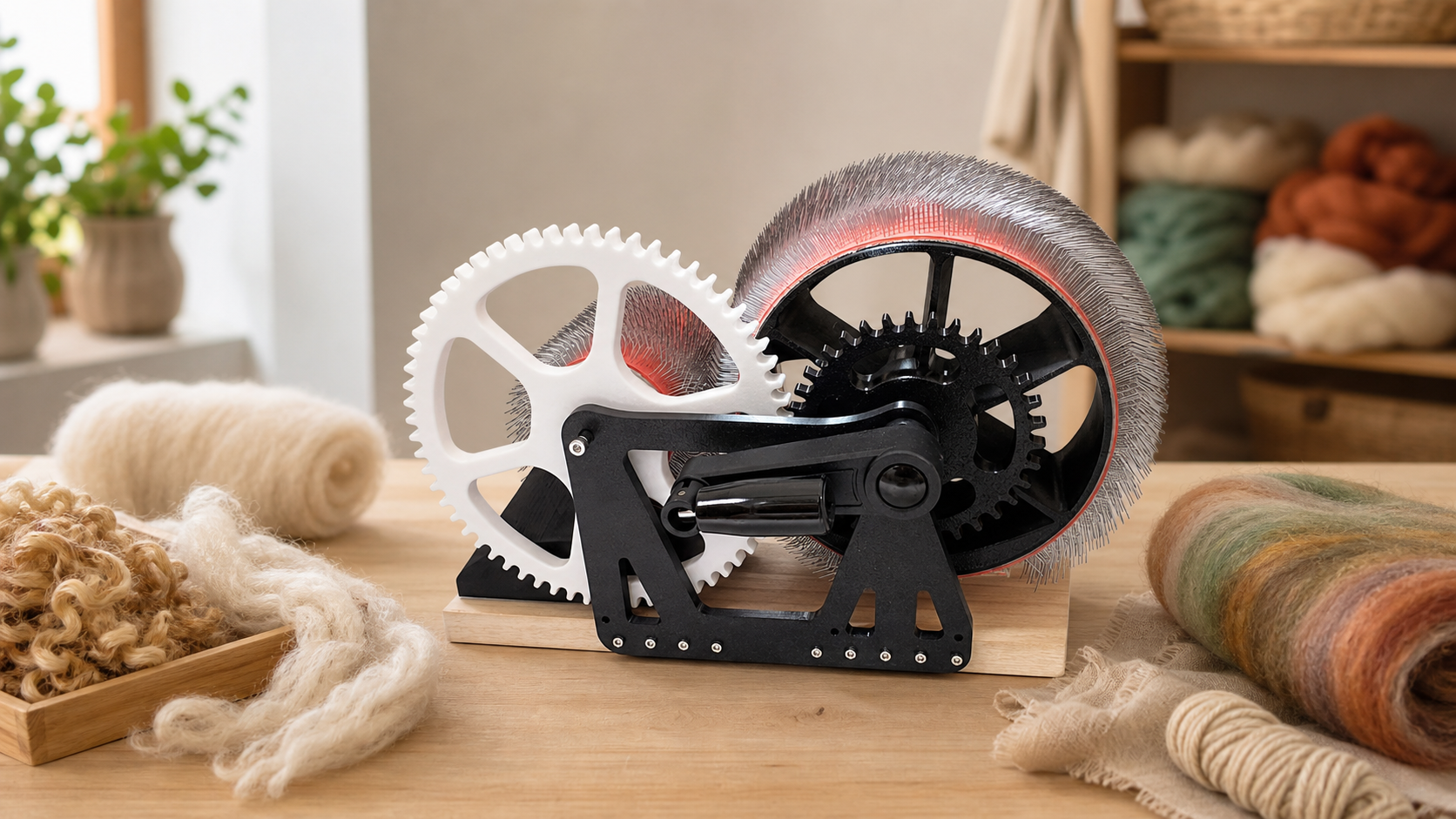
A drum carder helps sellers make related batts, test color recipes, and prepare small batches that photograph and display consistently. Review the DrumCarder Studio Fiber Carder if you want a focused tool path for wool, alpaca, dyed locks, and art batt work. The DrumCarder homepage is the main place to start.
Before ordering for a selling season, check the shipping policy and refund and returns policy. Event deadlines are unforgiving, so timing and store terms belong in the prep checklist.
Prepare Batts For A Clearer Fiber Table
Use DrumCarder to build repeatable wool, alpaca, art batt, and small-shop fiber prep workflows before your next show.
FAQ
How many fiber batts should I bring to a craft fair?
Bring only what you can display, explain, and protect well. A smaller table with clear groups is better than a crowded table full of crushed or confusing batts.
What should go on each batt label?
Include fiber content, weight, colorway, texture notes, best uses, care guidance, and whether the batt is repeatable or one of a kind.
Should buyers be allowed to touch fiber batts?
Set your own rule and make it polite. Some sellers allow gentle touch with clean hands; others offer a sample batt while keeping delicate work protected.
How should textured art batts be packed?
Pack them loosely in shallow containers, avoid heavy stacking, and keep labels attached. Test the packing before event day.
What should I practice saying at the booth?
Practice short answers about fiber content, best use, texture level, beginner friendliness, care, and whether a colorway can be made again.