Blog
Cheap Drum Carder vs Focused Studio Carder
Jul
Quick answer: cheap drum carder vs focused studio carder is not only a price comparison. The useful question is whether the lower-cost option can handle your fiber, batch size, bench space, batt quality needs, support expectations, and replacement risk. A focused studio carder may cost more than the cheapest listing, but it can be the better value when it reduces confusion and fits the work you actually do.
Fiber tools are tempting to compare by price first. That is understandable. But a drum carder is a working tool, and a weak match can cost you time, fiber, and patience. If the carder is too flimsy, too unclear, too hard to clean, or poorly documented, the low price may stop feeling low after a few frustrating sessions.
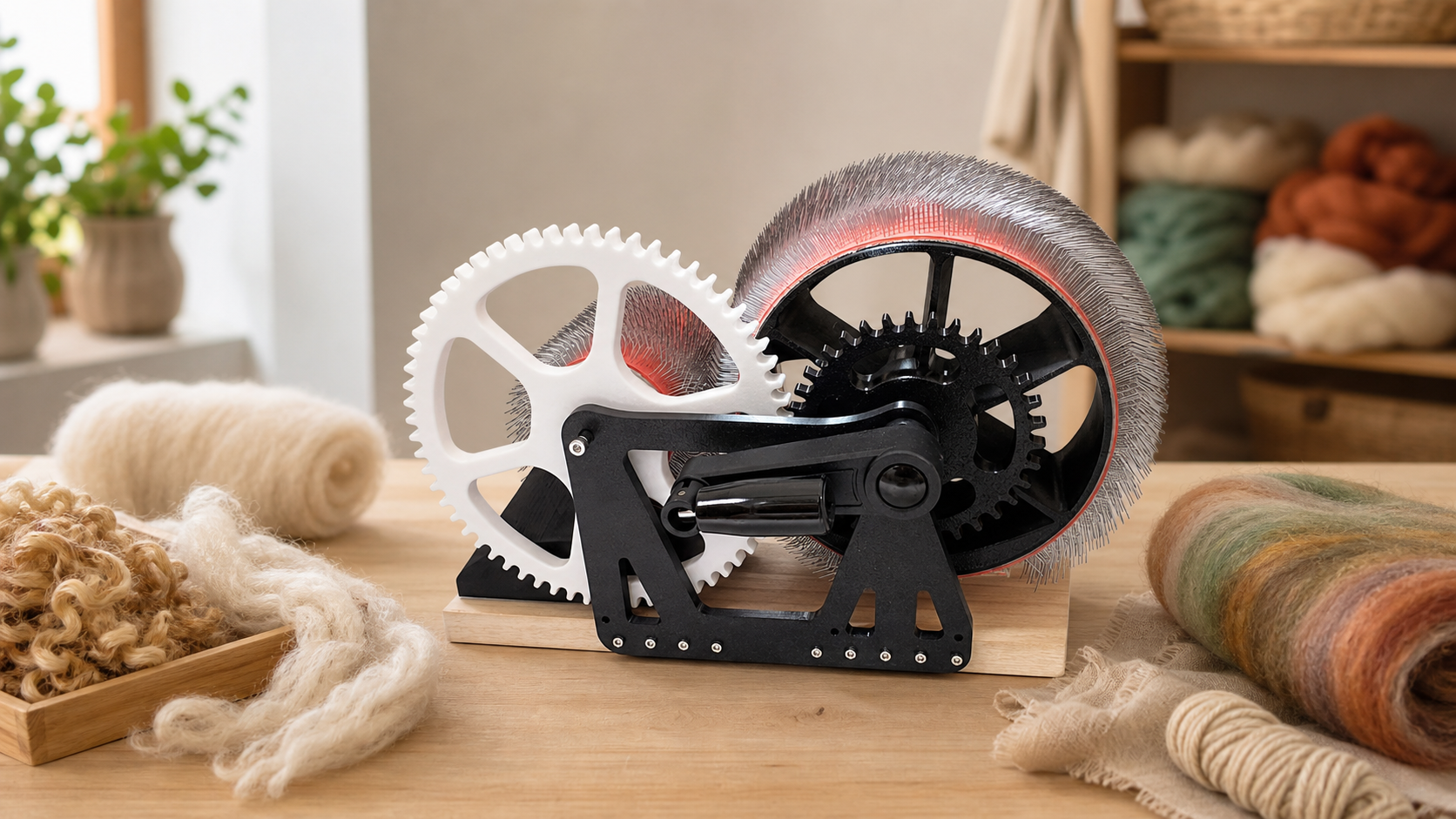
For the compact option referenced here, see the DrumCarder Studio Fiber Carder. You can also start at DrumCarder.com and review product, contact, and policy pages from there.
Compare The Job, Not Just The Price
Start with your actual use. Are you making occasional small batts, steady art batt batches, smoother spinning prep, alpaca blends, coarse wool samples, or color tests? A low-cost carder might be enough for light learning, but it should still match the fiber and workflow you plan to use.
A focused studio carder is most appealing when you value a clear product page, compact bench fit, manageable batches, and a direct route to product questions. It does not need to be the largest or most complex option. It needs to match the repeatable work in your studio.
Look At Construction And Clarity
Low-cost listings vary widely. Some may be acceptable; others may leave key details unclear. Look for visible carding cloth, smooth handle design, stable base, clear scale, and realistic fiber examples. If a listing cannot show the working parts, you cannot easily judge whether the low price is fair.
Clarity has value. A carder that arrives with fewer mysteries can help beginners learn technique instead of troubleshooting the tool. A page that makes it easy to ask questions through the contact page can also reduce hesitation before buying.
Think About Time And Fiber Waste
A cheaper carder can become expensive if it wastes good fiber. Lumpy batts, uneven transfer, difficult removal, or awkward cleaning may not ruin every project, but they add friction. If you are working with hand-dyed wool, alpaca, long locks, or limited natural colors, the fiber itself may be more valuable than one session suggests.
Time matters too. A carder that is easy to set up, understand, and clean can encourage more practice. A tool that feels uncertain may sit unused. The right purchase supports the habit you want, not just the lowest possible checkout total.
Use A Total Value Checklist
Before choosing, compare total value: product information, photos, carding surface, size, support, policy links, expected use, and your own tolerance for unknowns. If the cheapest option passes those checks, it may fit. If it fails several, a focused studio carder deserves serious consideration.
Policy pages are part of the decision. Review the shipping policy and refund and returns policy before treating any product as a simple price comparison.
Run a project test on paper. Imagine preparing three batts from clean wool, one color blend with dyed accents, and one textured batt with locks. For each tool, ask how much information you have about feeding, cleaning, batt removal, and support if something feels unclear. This turns a vague price debate into a practical studio decision.
Also consider what happens after the first week. A low-cost tool may feel exciting when it arrives, but value is proven through repeated use. If the carder helps you prepare fiber without dread, clean up easily, and learn from each session, the purchase is working. If it creates constant uncertainty, the savings may not matter much.
For gift purchases, clarity matters even more. The person receiving the carder may not know how to evaluate a vague tool. A focused product page, visible support path, and simple workflow expectations can make the gift easier to use from the first session.
FAQ
Is a cheap drum carder always a bad idea?
No. It may be enough for light use, learning, or occasional small samples if the working parts are clear and the tool fits your fiber. The risk is buying only because the price is low.
What makes a studio carder focused?
A focused studio carder is designed around a clear user and workflow. It should make sense for the batch size, space, fiber type, and level of support the buyer needs.
Should beginners buy the cheapest carder first?
Not automatically. Beginners benefit from clarity and predictable handling. If a very cheap carder makes it hard to tell whether problems come from technique or equipment, learning can become slower.
How do I compare carders when specs are limited?
Use visible information: photos, scale, carding cloth views, included tools, support path, policies, and realistic fiber examples. If important details are missing, ask before buying.
When is the focused option worth it?
It is worth considering when you want compact workflow support, clear product information, policy visibility, and fewer unknowns before preparing valuable fiber.
A Decision Rule That Helps
Choose the cheapest carder only if you can explain why it fits your fiber, space, and expected use. Choose the focused studio carder when clarity, support, and repeatable small-batch preparation matter more than chasing the lowest price. The best choice is not the most expensive one. It is the one that you will confidently use.
Review A Focused Studio Option
See the DrumCarder Studio Fiber Carder when you want a compact product path for sampling, blending, and small studio batt preparation.