Blog
How to Label Fiber Content on Handmade Batts
Jul
Quick answer: label fiber content on handmade batts with clear fiber types, approximate percentages when you know them, weight, dye notes, texture additions, care notes, and batch information. A good label helps buyers understand what they are spinning or felting, reduces confusion, and makes your handmade batts feel more trustworthy.
Handmade batts often contain more than one fiber. Wool, alpaca, silk, locks, sparkle, nepps, and dyed accents may all appear in the same batt. The maker remembers the blend while preparing it, but the buyer needs that information later. A clear label travels with the batt after the listing, package, and first impression are gone.
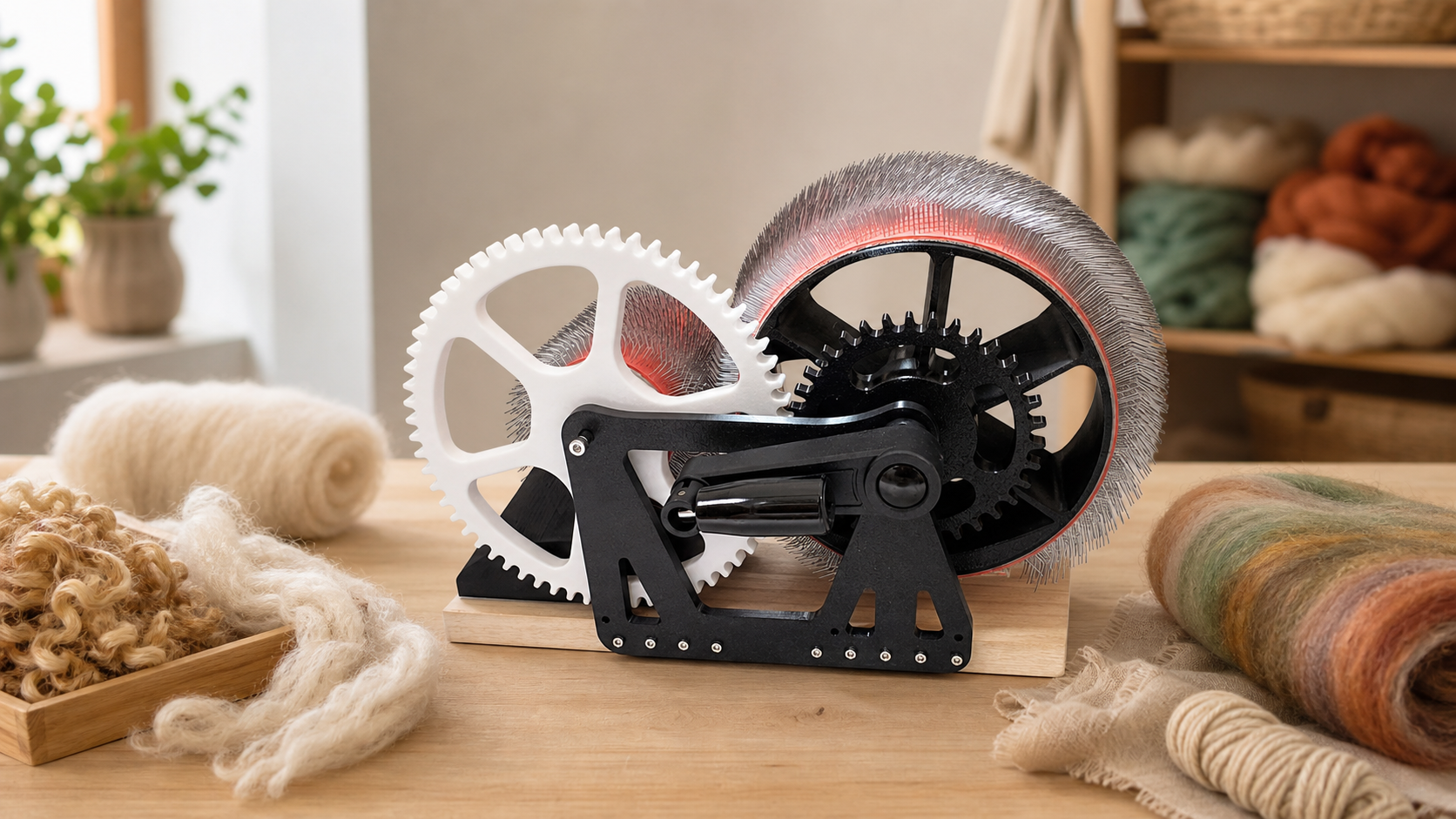
If you prepare batts in a small studio, see the DrumCarder Studio Fiber Carder. You can also start from DrumCarder.com for product, support, and policy navigation.
List The Fiber Types Clearly
Start with the basic contents. Write wool, alpaca, silk, mohair locks, bamboo, sparkle, or other fibers in plain language. If the wool type matters, include it. If you do not know the exact breed, do not invent one. Honest general labeling is better than over-specific labeling you cannot support.
When you know approximate percentages, include them. For example, a batt might be mostly wool with smaller amounts of alpaca and silk. If the blend was designed by handfuls rather than exact measurement, use careful wording such as “approximately” and keep your notes consistent.
Include Weight And Color Notes
Weight helps buyers plan. Put the weight on the label and in the listing. If you sell in ounces, consider also including grams for buyers who think in metric. A small difference can matter when someone is planning a yarn project or felting layout.
Color notes are useful too. Include the colorway name, natural shade description, or dye note. If a batt uses naturally dyed wool, hand-dyed locks, or one-of-a-kind color placement, say so. Color information helps buyers remember what they bought and whether they can reorder something similar.
Explain Texture Additions
Texture is part of the value of handmade batts. If the batt includes locks, nepps, sari silk, sparkle, or other accents, mention them. Buyers may love those additions, but they also need to know what they are working with.
This is especially important for beginners. A new spinner may not understand why a batt behaves differently if the texture additions are not labeled. Clear notes help them choose the right project and reduce disappointment.
Add Batch And Care Information
A simple batch number or date can help you answer questions later. It can also help repeat a blend if buyers ask for more. You do not need a complicated system. A notebook and matching label code can be enough.
Care notes can be brief. Mention if the batt should be stored dry, handled gently, or kept loose to preserve loft. Before selling finished fiber products, it is also smart to make policy information easy to find, such as a shipping policy, refund and returns policy, and contact page.
Make labels before the studio session ends. It is much easier to record fiber content while the bags, scale, and notes are still on the table. Waiting until packaging day invites guesses, especially when several batts share related colors.
Use consistent wording from batt to batt. If one label says “approximately” and another says “about,” that is not a crisis, but a standard format looks calmer and helps buyers compare products. Consistency also helps you answer repeat questions quickly.
Think about label durability. A loose paper tag may be enough for local sales, while shipped batts may need a sturdier tag or a protected card in the package. The label should survive handling long enough for the buyer to store the information with the fiber.
If the batt is part of a series, include the series name or batch code. That small note helps buyers recognize related colors later and request matching fiber more easily afterward.
FAQ
Do handmade batts need exact percentages?
Exact percentages are useful when you know them. If you do not, use approximate wording and keep good studio notes. Do not claim precision you did not measure.
Should I label sparkle or nylon additions?
Yes. Any non-wool or decorative addition should be mentioned so buyers know what the batt contains and how it may behave.
What weight should go on the label?
Use the finished batt weight. Include the unit clearly. Many sellers include both ounces and grams to make buying easier.
Can I use a colorway name only?
A colorway name is helpful, but it should not replace fiber content and weight. Use the name as an addition, not the whole label.
How detailed should care notes be?
Keep them practical. Mention storage, gentle handling, and any texture considerations. If the buyer needs deeper project advice, include it in the listing rather than crowding the label.
A Simple Label Template
A useful label can be short: colorway name, fiber content, approximate percentages if known, weight, dye or natural color note, texture additions, batch code, and care note. Keep the design readable. A beautiful label that hides the important information is not doing its job.
Labeling begins during carding. Write down what you put into the batt as you work. A compact drum carding workflow makes this easier because you can prepare batches, weigh fiber, and keep notes beside the tool. Clear notes become clear labels, and clear labels help buyers trust the product.
Keep one copy of the label information in your own notes too. If a buyer asks later, or if you want to remake a related colorway, the label should not be the only record of what went into the batt.
Prepare Batts That Are Easier To Label
Use the DrumCarder Studio Fiber Carder to create repeatable handmade batts with clearer fiber notes, weights, and content labels.