
Blog
When Hand Cards Are Enough and When to Upgrade
Jul
Quick answer: when hand cards are enough when upgrade depends on batch size, wrist comfort, consistency needs, and whether you want batts rather than small rolags. Hand cards are enough for small tests, portable practice, and learning fiber behavior. A drum carder becomes useful when repeated hand carding feels slow, tiring, or too inconsistent for the projects you want to make.
Hand cards are a wonderful starting point because they teach the feel of fiber. You learn how locks open, how colors blend, and how much handling is too much. But there is a point where the same small tool can hold back a maker who needs broader preparation, steadier results, or less strain.
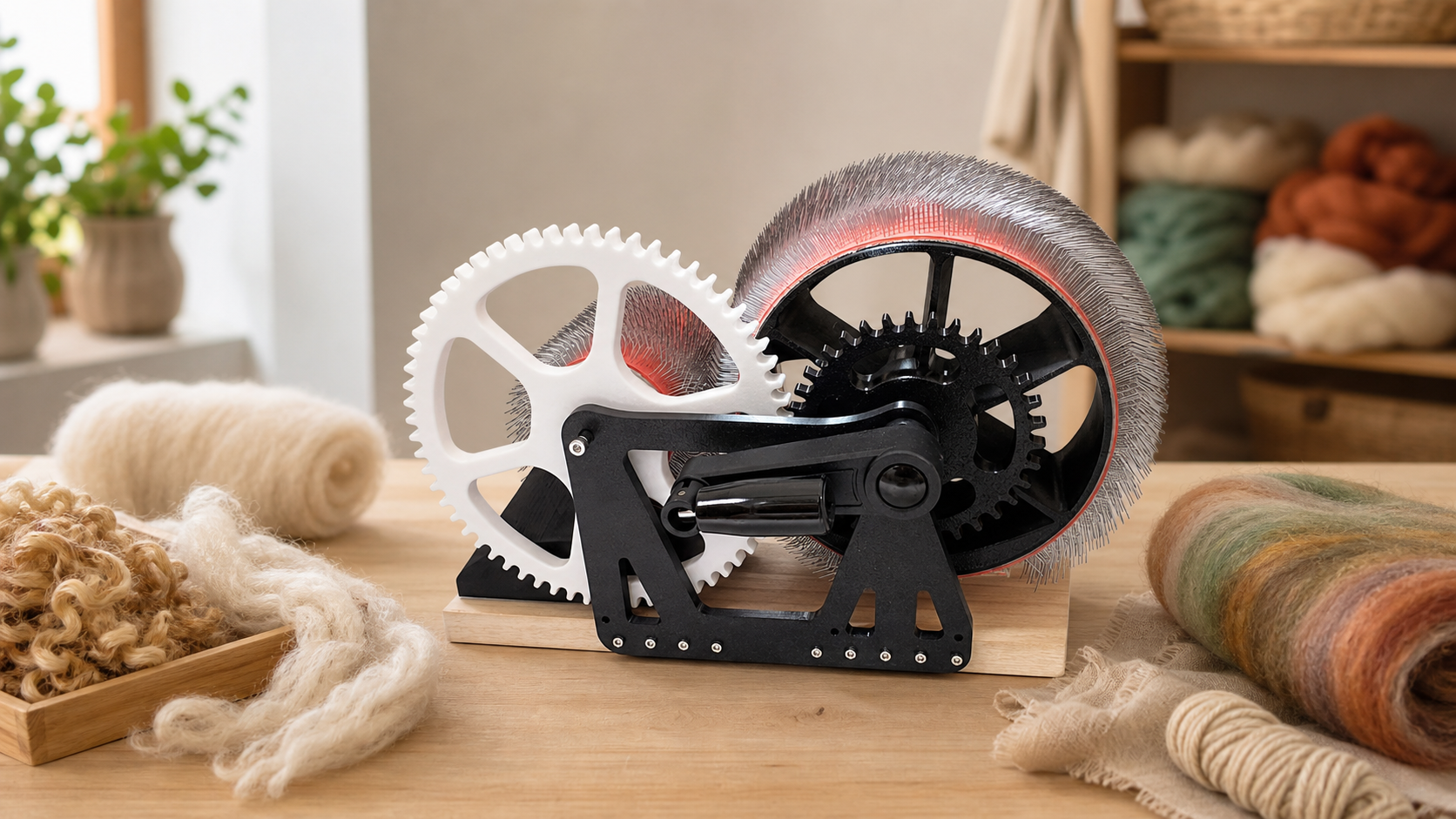
If you are considering that step, review the DrumCarder Studio Fiber Carder. You can also use DrumCarder.com to find product, policy, and support pages.
Hand Cards Are Enough For Small Learning Sessions
Hand cards work well when you are processing a small amount of wool, opening a few locks, testing a color blend, or making rolags for personal spinning. They are portable, affordable, and direct. You can feel every change in the fiber because your hands are the main engine.
They also encourage careful observation. If you are new to fiber prep, hand cards can teach you not to overload the tool, not to overwork delicate fiber, and not to expect one pass to solve every issue. Those lessons transfer well to drum carding later.
Upgrade When Batch Size Becomes The Problem
The clearest upgrade signal is repetition. If you keep making the same small rolags and wishing you had a wider batt, a drum carder may fit. If you are preparing fiber for a larger spinning project, wet felting layout, art batt set, or small online shop, hand cards can become slow.
A drum carder lets you prepare a broader sheet and repeat a blend more easily. You can still work in modest amounts, but you are not limited to the small surface area of hand cards. That can make a project feel calmer and more organized.
Upgrade When Your Body Is Asking
Hand carding can be tiring. Wrists, hands, shoulders, and posture all matter. If you avoid projects because hand carding makes your body complain, a drum carder may reduce repetitive motion. It does not remove all effort, but it changes the movement and spreads the work across a different routine.
Comfort is a valid buying factor. A tool that lets you keep making without strain may be more valuable than one that looks simpler on paper. Still, pay attention to bench height, handle clearance, and setup habits so the new tool supports your body rather than adding a new problem.
Upgrade When Consistency Matters
Hand cards can create beautiful texture, but repeated consistency takes care. A drum carder helps when you want several batts that share similar weight, color ratio, and texture. That is useful for selling batts, repeating a colorway, or preparing fiber for a larger finished object.
Before buying, review practical pages such as the shipping policy, refund and returns policy, and contact page. The upgrade should feel clear, not rushed.
Do not upgrade only because the new tool looks more impressive. Upgrade because you can name the problem: too many small batches, sore hands, uneven blends, slow prep, or a need for wider batts. A named problem helps you choose the right carder and judge whether it improves your studio routine.
It can also help to keep hand cards after upgrading. They remain useful for opening locks, testing a tiny color idea, or fixing a small section before it reaches the drum. The upgrade adds capacity; it does not have to erase the smaller tool.
Budget timing matters as well. If hand cards still support the work comfortably, there is no shame in waiting. Use that time to learn which fibers you love, which projects repeat, and what size batt would actually help. A later purchase made with clear habits is often stronger than an early purchase made from pressure.
When the upgrade is right, you will usually feel it across several projects, not just one difficult afternoon. Repeated friction is the signal.
Make a short upgrade note before you shop: what slowed you down, what hurt, what batch size felt awkward, and what result you wanted. That note helps you compare tools against real studio friction instead of comparing only features.
FAQ
Do I need hand cards before a drum carder?
No, but hand cards can teach useful basics. If you already know you want batts and repeatable batches, starting with a drum carder can also make sense.
Are hand cards better for very small samples?
Often yes. Hand cards are quick for tiny tests, especially when you only need enough fiber to see whether two colors or textures work together.
Will a drum carder replace hand cards completely?
Not necessarily. Many makers keep hand cards for small fixes, lock opening, and quick samples while using the carder for broader batts.
When should wrist comfort affect the decision?
As soon as discomfort changes how much you make. If hand carding causes strain, compare the movements required by a drum carder and set up the bench carefully.
Is a drum carder only for advanced makers?
No. It is a tool for anyone whose projects match its strengths: batts, blending, repeatable samples, and small-batch preparation.
A Simple Upgrade Rule
Stay with hand cards when the work is small, enjoyable, and comfortable. Upgrade when you need wider batts, repeated blends, better session flow, or relief from repetitive hand work. The right time is not when someone else says a tool is more serious. It is when your projects keep asking for what hand cards do not provide.
Step Up To Wider Fiber Prep
Use the DrumCarder Studio Fiber Carder when hand cards are no longer enough for your batts, blends, and small studio workflow.