
Blog
How to Compare Wool Breeds With a Drum Carder
Jul
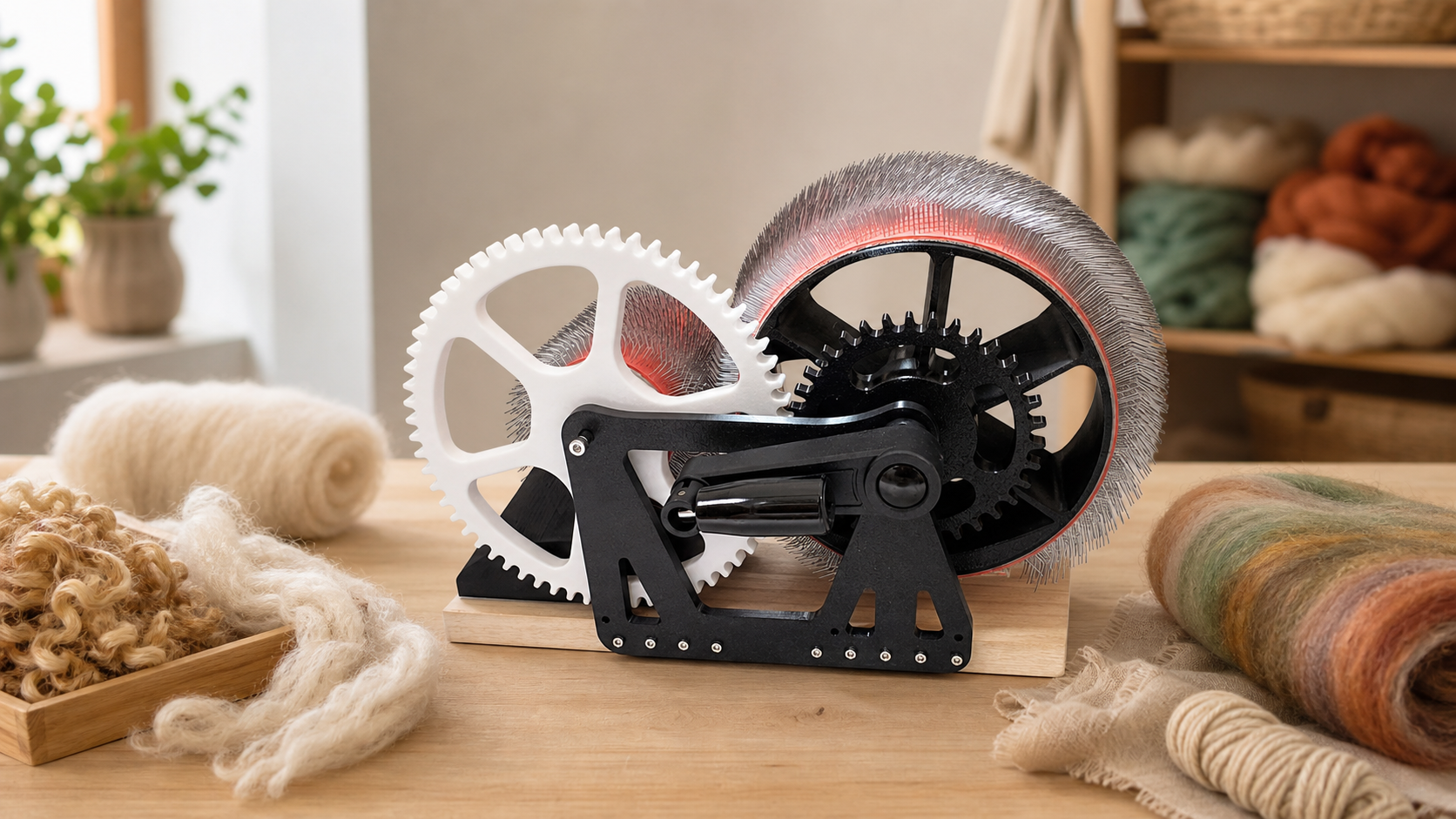
Quick answer: compare wool breeds on a drum carder by testing small, equal-weight samples and watching staple length, crimp, softness, debris level, transfer, batt loft, and drafting behavior after carding. Do not judge a breed only by reputation. A fine Merino sample, a springy Corriedale sample, and a longwool sample can all be useful, but each asks for a different feeding rhythm and end use.
A drum carder is a practical comparison tool because it turns vague fiber descriptions into visible batts. You can feel whether the fiber opens easily, see whether the batt is airy or dense, and notice whether a breed wants one light pass or a second gentle pass. The key is to keep the test fair. If one sample is clean and teased while another is compacted and full of vegetable matter, you are comparing preparation quality, not wool breed behavior.
For a compact product context, keep the Studio Drum Carder page open while you note the batch sizes and workflow you actually need. If you are still orienting around the site, start from DrumCarder and work back to the product page once your fiber notes are clearer.
Start With Equal Samples
Use the same amount of fiber for each breed. If you own a small scale, weigh the samples. If not, make portions that look as equal as you can, then keep notes about the limits of that comparison. Open each sample to a similar level before feeding it. Remove obvious mats and large debris so the carder is not asked to rescue one sample while gently blending another.
Run each breed with the same first-pass method: light feeding, steady handle speed, and no decorative add-ins. You can experiment later. The first comparison should answer a simple question: how does this wool behave when carded in a calm, ordinary way?
Observe Staple Length And Crimp
Staple length affects how the fiber enters the carder and how the batt holds together. Shorter fibers may need lighter handling so they do not become compact. Longer fibers may need more careful opening before feeding. Crimp also matters. A springy, crimpy wool can create a lively batt, while a smoother longwool may feel more drapey and less elastic.
Write down what you see before carding and what changes after the first pass. Does the wool bloom? Does it cling? Does it form a sheet, or does it gather in ropes? These notes are more useful than trying to name one breed as universally better.
Compare Batt Loft And Density
After each sample comes off the drum, compare loft. Some batts look full and airy. Others feel dense even when the same amount of fiber was used. Density is not automatically bad. A denser batt may suit a specific yarn or felt project. The important question is whether the result matches the project you want.
Hold each batt gently at the edges. Notice whether it stretches, tears, collapses, or keeps a flexible sheet. If you plan to spin from the batt, pull a small strip and test how it drafts. If you plan to felt, consider whether the preparation feels open enough for the layout.
Keep Debris In The Notes
Vegetable matter can distort a breed comparison. A lovely wool can look poor if it is full of burrs, seed heads, and short broken pieces. A cleaner sample may appear easier even if the breed itself is not the whole reason. Record debris level separately from breed behavior.
If debris is a recurring issue, use the guide on handling vegetable matter before carding before you judge the breed. The carder can help open fiber, but it should not be treated as a trash separator for badly prepared fleece.
Test A Blend Only After The Plain Samples
Once you understand the plain samples, blend two breeds in small amounts. A fine wool may add softness. A medium wool may add body. A longwool may add shine or drape. Use modest ratios at first, such as a small accent amount added to a more reliable base. This keeps the test readable.
Do not keep recarding until every difference disappears. If the goal is to compare breeds, you need to preserve some character. Too many passes can flatten loft, blur color, and make different fibers feel more similar than they really are.
Turn Comparison Into A Buying Decision
Breed tests should lead to a practical decision. If you make everyday spinning batts, choose fiber that drafts comfortably after your normal preparation. If you make art batts, choose breeds that hold texture and color without becoming ropey. If you are buying a carder, ask whether your most common fiber type fits the product, workspace, and support path.
Use policy pages when purchase details matter. Review shipping information and returns information before deciding, and use contact for product-specific questions about your fiber routine.
Compare Breeds On A Manageable Carding Setup
When your goal is small-batch wool testing, the carder should fit your bench, your fiber portions, and your note-taking routine.
FAQ
Which wool breed is best for a drum carder?
There is no single best breed. The right choice depends on staple length, cleanliness, project type, softness, loft, and how the batt drafts after your normal carding process.
Should I wash every breed sample before comparing?
Compare samples in similar condition. Washed-to-washed is fairer than washed-to-greasy. If you test raw or greasy fiber, keep those limits in your notes.
How many passes should each breed get?
Start with one light pass for each sample. Add a second pass only if the project needs it, and record that change so the comparison stays useful.
Can I compare alpaca with wool the same way?
You can use a similar sample method, but alpaca behaves differently from wool. It may need support from wool, lighter feeding, and a separate note about density.
What should I ask before buying a carder for multiple breeds?
Ask about batch size, cleaning, support, workspace fit, and whether your common fiber types make sense for the product. Keep the question tied to real fiber you use.