
Blog
Used Drum Carder vs New Drum Carder: What to Check
Jul
Quick answer: a used drum carder can be a smart buy if the carding cloth, drums, handle, bearings, batt removal path, and seller communication all check out. A new drum carder is usually easier to evaluate because you can read the current product page, ask the store direct questions, and rely on the published shipping and return information instead of guessing how the tool was treated by a previous owner.
Used fiber tools are tempting. They show up in local spinning guild groups, estate sales, marketplace listings, and studio cleanouts, often with just enough photos to make you wonder whether you should move quickly. The problem is that a drum carder is not only a pretty wooden or metal object. It is a working fiber-prep tool with cloth, alignment, moving parts, and wear patterns that affect every batt you make.
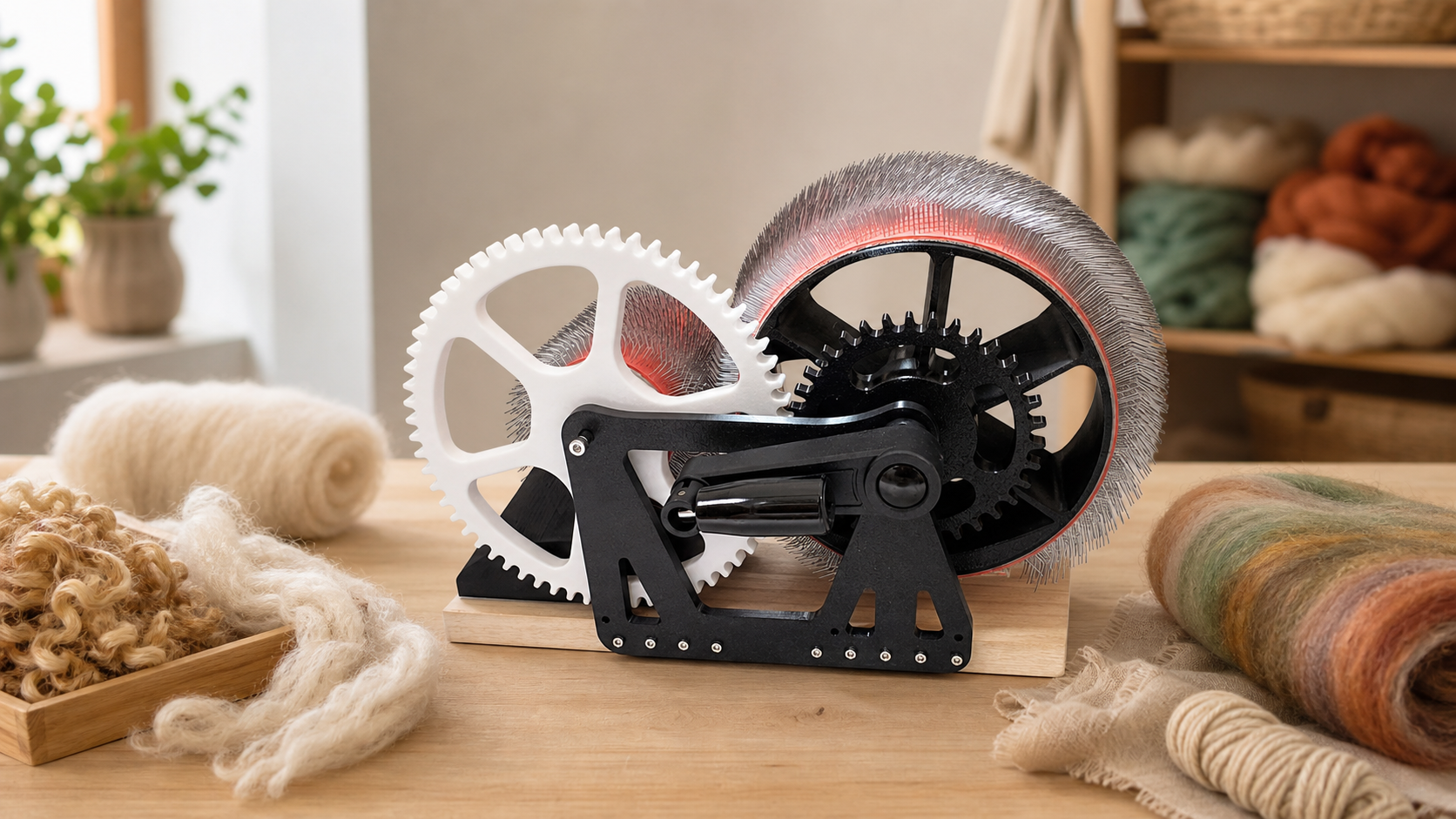
This guide is for buyers comparing a used drum carder with a new small-studio setup. It does not assume every used tool is risky, and it does not pretend every new tool is automatically the right fit. It gives you a practical inspection path before you choose between a second-hand listing and the current DrumCarder Studio Fiber Carder product page.
Start With Why The Tool Is Being Sold
A second-hand listing should tell a believable story. Maybe the seller is downsizing, moving, switching craft focus, or selling an inherited studio tool. That kind of context is useful because it tells you how much the seller may know about the carder. A spinner who used the tool last month can answer different questions from someone clearing a garage.
Ask when it was last used, what fibers passed through it, where it was stored, and whether anything feels loose or rough during use. You are not trying to interrogate the seller. You are trying to learn whether the tool has been sitting damp, packed with fiber, dropped, modified, or separated from parts you will need later.
Inspect The Carding Cloth Before The Price
The cloth is where many used-carder decisions become real. Look for bent teeth, crushed areas, rust, missing sections, embedded vegetable matter, sticky residue, or fiber packed so deeply that cleaning will be a long project. A few stray fibers are normal on a working tool. A matted, grimy, or flattened cloth surface is different.
Photos should include close views of the large drum, the smaller feed area, and the edge where fiber transfers. If the listing only shows a far-away glamour shot, ask for closer images in natural light. If the seller refuses or cannot provide them, price alone should not carry the decision. Cloth problems can affect feeding, blending, batt removal, and cleanup.
Check The Mechanical Feel
If you can inspect the carder in person, turn the handle slowly before you talk money. It should move in a controlled way without grinding, scraping, wobbling, or sudden tight spots. Watch the drums as they move. Listen for rubbing. Notice whether the tool shifts on the table or whether the handle feels loose.
If you cannot inspect it in person, ask for a short video of the handle turning through several full rotations. Also ask for a photo of the underside and any hardware that secures the carder to its base. A video will not answer every question, but it can reveal obvious stiffness, shaking, or damage that still photos hide.
Compare Missing Parts And Support Risk
A used listing may be missing a doffer, clamps, brush, instructions, packaging, or other items that matter to the original workflow. It may also be from a maker or model where replacement parts are difficult to identify. That does not always make the tool a bad purchase, but it changes the real cost and effort.
With a new purchase, you can read the current listing and use the contact page to ask what is included, how the product is intended to be used, and where to find policy details. With a used purchase, your support path depends on the seller’s knowledge and whatever information you can verify before payment.
Run A New-Price Reality Check
Do not compare a used asking price with a vague idea of what drum carders cost. Compare it with the actual tool you would buy new today. Open the product page, read the current photos and written details, and then compare the used listing against that specific decision.
Your used-carder calculation should include shipping, possible cleaning time, missing items, travel time, payment risk, and your confidence in the seller’s answers. Then compare that total with buying new from a page where you can check checkout details, shipping information, and the available support path before ordering.
Use This Used-Vs-New Decision Checklist
- Buy used only if: the cloth looks healthy, the drums turn smoothly, the seller can answer basic use questions, and the total cost still makes sense after any missing items.
- Consider new if: you want clearer product details, a direct support contact, current checkout information, and fewer unknowns about storage and prior use.
- Pause if: photos are poor, the cloth condition is hidden, the handle cannot be shown in motion, or the seller pressures you to decide before you inspect.
- Ask first if: you are unsure whether the tool fits wool, alpaca, art batt blending, or your planned batch size.
When A Used Drum Carder Makes Sense
A used drum carder can be a good fit when the tool is clean, complete, fairly priced, and close enough for a proper inspection. It can also make sense when you know the model, understand the parts, and are comfortable doing light cleaning or adjustment. Experienced fiber artists often judge these details quickly because they know how a carder should feel.
Newer buyers should be more careful. If you are still learning how carding cloth behaves, how batts release, and how light feeding should feel, a mystery tool can make the learning curve harder. A new purchase may be less dramatic, but it removes several unknowns from your first sessions.
Compare A New Studio Drum Carder
Review the current product page, photos, checkout path, shipping information, and support contact before deciding whether used or new is the better fit.
FAQ
Is a used drum carder worth buying?
It can be worth buying if the carding cloth is in good condition, the drums turn smoothly, the seller can show the tool clearly, and the final cost still beats your new-purchase option after missing parts and risk are included.
What should I ask before buying a used drum carder?
Ask what fibers were used, when it was last used, how it was stored, whether any parts are missing, and whether the seller can show the handle turning. Ask for close photos of the cloth and drum area.
What used drum carder problems are hard to see online?
Rough rotation, rubbing drums, loose hardware, hidden residue, bent teeth, odor, and awkward batt removal can be hard to judge from a single photo. A short video and close-up photos help, but in-person inspection is better.
Why might a new drum carder be easier for a beginner?
A new tool is easier to compare because you can read the current product page, confirm what is included, ask questions through the store, and check shipping or return information before checkout.